
All Bend Biomedical target diseases are highly prevalent (at least 100,000 cases per year) and preventable or curable. Medicines are labeled in the appropriate language for their intended use. Tablets and soft gel capsules are packaged in blister packs.
All of these medications face global supply shortages, meaning there isn’t enough reaching the people who need them most.
Why These Are Good Targets
–High Disease Burden: Millions of children and vulnerable populations are affected.
–Proven Interventions: These diseases have effective treatments or preventive measures that can be scaled.
–Packaging and Supply Chain Gaps: Bend Biomedical can provide innovative solutions that improve medication safety, adherence, and effectiveness.
Focusing on these diseases aligns with Bend Biomedical’s mission of ensuring that medicines that stop suffering and save lives reach neglected populations in a reliable, safe, and culturally appropriate manner.
Our plans include the following medicines:
Albendazole
Azithromycin
Benzathine Penicillin
Benznidazole
Diethylcarbamazine
Iron, Folic Acid, Vitamin A, Vitamin B6, Vitamin B12, Vitamin D, and Zinc
Ivermectin
Oral Rehydration Solution
Praziquantel
Vitamin A
A Quick Look at Highly Prevalent Preventable and Curable Diseases
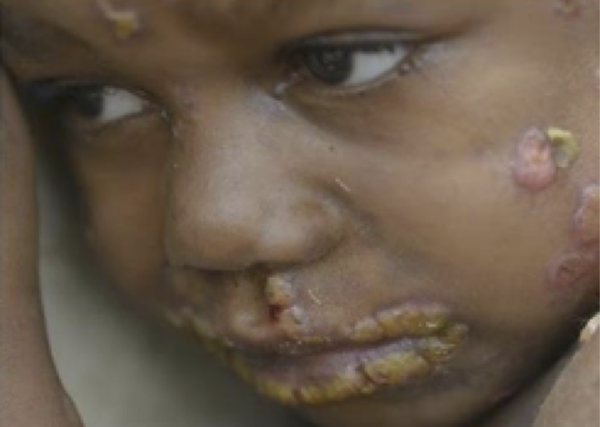
Yaws
A bacterial infection that affects the skin, bones, and joints, primarily in children in tropical regions. It begins with sores and can lead to painful deformities if untreated. Treatment: Azithromycin.
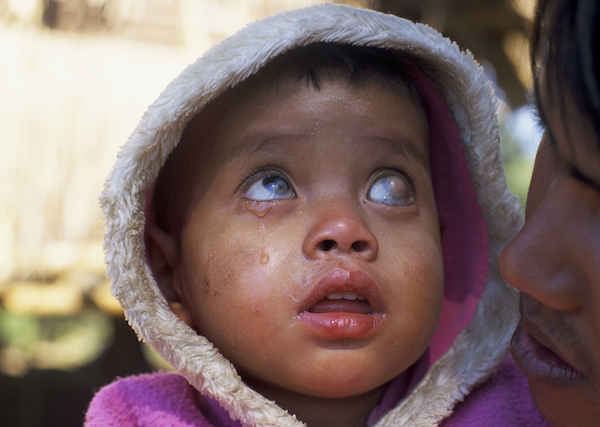
Vitamin A Deficiency
This deficiency can cause night blindness and increase the risk of death from infections like measles and diarrhea in children. It is a leading cause of preventable childhood blindness. Treatment: Vitamin A.

Under-Five Mortality
In low-resource settings, children under five often die from preventable infections like pneumonia and diarrhea. Azithromycin can help reduce these deaths in high-risk areas. Treatment: Azithromycin.
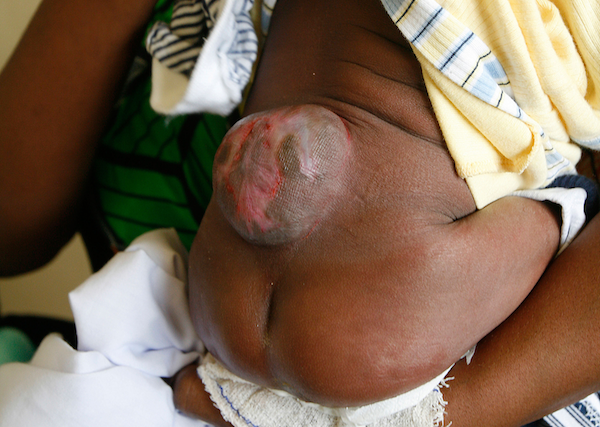
Neural Tube Defects
Birth defects such as spina bifida are linked to poor maternal nutrition during pregnancy. Supplementing key nutrients reduces their occurrence. Treatment: Iron, Folic Acid, Vitamin A, Vitamin B6, Vitamin B12, Vitamin D, and Zinc.
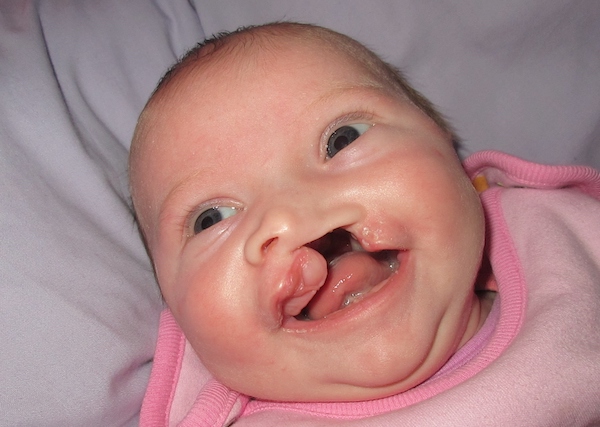
Oral Clefts
Birth defects of cleft palate and cleft lip are linked to poor maternal nutrition during pregnancy and are preventable in up to 30% of cases. Treatment: Iron, Folic Acid, Vitamin A, Vitamin B6, Vitamin B12, Vitamin D, and Zinc.
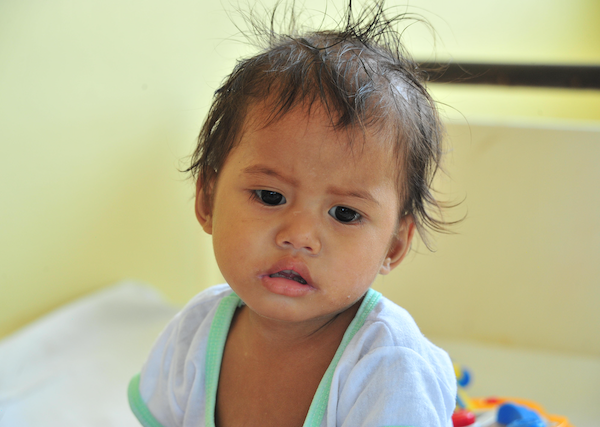
Diarrhea
A leading cause of death in children under five, primarily due to dehydration. It can be treated easily with oral rehydration solution. Treatment: Oral Rehydration Solution.
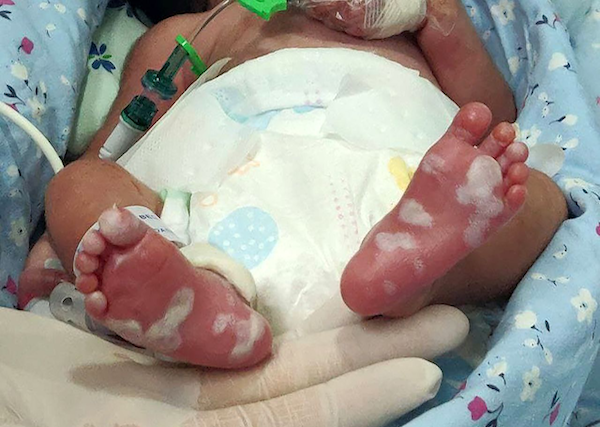
Congenital Syphilis
A preventable condition passed from mother to baby during pregnancy that can cause stillbirth, deformities, or developmental problems. It is treated with a single dose of penicillin. Treatment: Benzathine Penicillin.
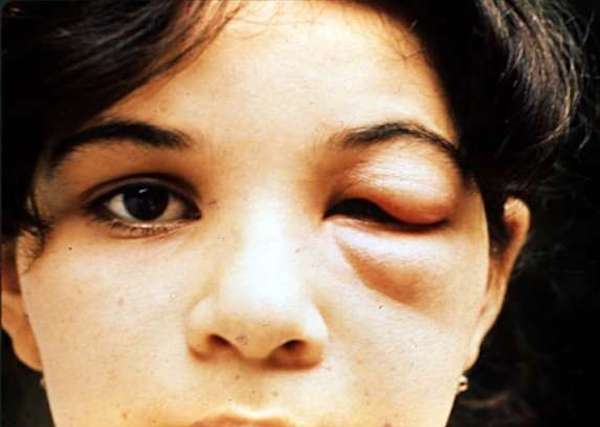
Chagas Disease
A parasitic infection spread by insects that can cause serious heart and digestive problems. It often goes undiagnosed for years. Treatment: Benznidazole.
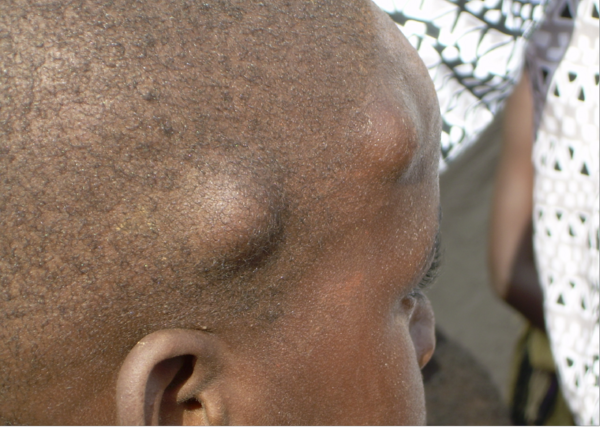
Onchocerciasis
A parasitic disease caused by worms transmitted by blackflies, leading to severe itching and blindness. It affects rural populations in Africa most. Treatment: Ivermectin.

Female Genital Schistosomiasis
A chronic parasitic infection that causes inflammation and lesions in the female reproductive tract. It increases the risk of infertility and HIV infection. Treatment: Praziquantel.
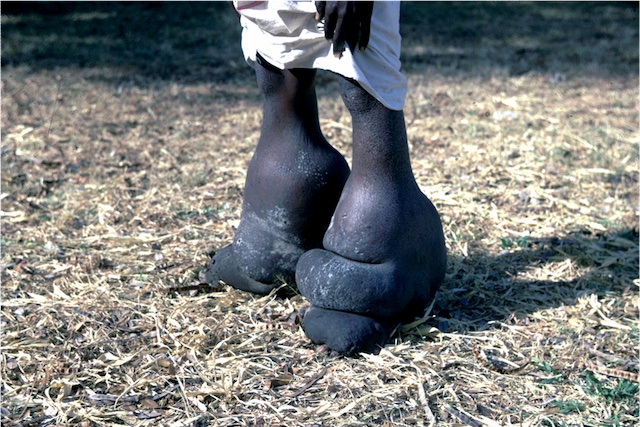
Lymphatic Filariasis
This mosquito-borne parasitic infection causes swelling of the limbs and genitals, known as elephantiasis. It results in long-term disability and stigma. Treatment: Albendazole, ivermectin, and diethylcarbamazine (region-dependent).
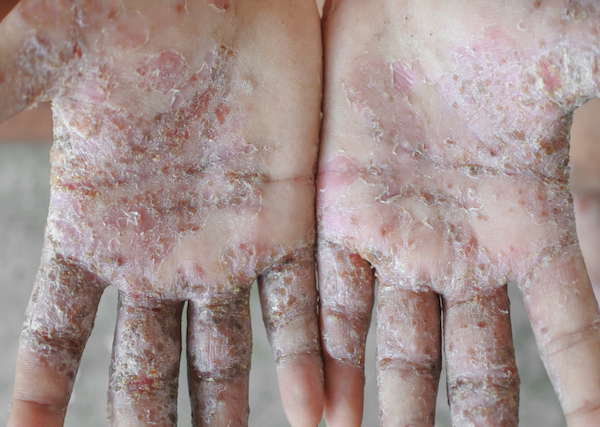
Scabies
A skin condition caused by mites that burrow under the skin, causing severe itching and rash. It spreads quickly in crowded conditions. Treatment: Ivermectin.
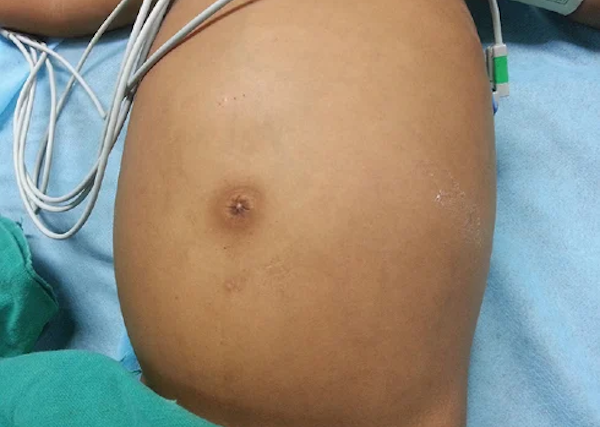
Soil-Transmitted Helminths
These intestinal worms—roundworm, whipworm, and hookworm—are transmitted through contaminated soil. They cause anemia, malnutrition, and stunted growth in children. Treatment: Albendazole.
There are other diseases with prevalence over 100,000 cases per year, like measles, blood type incompatibility jaundice, leishmaniasis, cryptosporidiosis, malaria, HIV, tuberculosis, leprosy, and trachoma. For reasons why these diseases are excluded from our list, please see our Frequently Asked Questions.
______________
Bend Biomedical Project 1
Abendazole 400 mg chewable tablets in blister packaging, targeting lymphatic filariasis. The total cost to develop the drug and set up packaging in English and Hindi is $308,394. The minimum production order is 10 million tablets, at a manufacturing cost of $0.03804 per tablet, with an additional $0.02645 per tablet for blister packaging. This brings the total to $644,900 for production and packaging, and $953,294 overall including development costs.
______________
Bend Biomedical Project 2
Diethylcarbamazine 100 mg tablets in blister packaging, targeting lymphatic filariasis. The total cost to develop the drug and set up packaging in English and Hindi is $304,814. The minimum production order is 10 million tablets, we are ordering 30 million at a manufacturing cost of $0.00996 per tablet, with an additional $0.00646 per tablet for blister packaging. This brings the total to $492,600 for production and packaging, and $797,414 overall including development costs.
______________
Bend Biomedical Project 3
Ivermectin 3 mg tablets in blister packaging, targeting lymphatic filariasis. The total cost to develop the drug and set up packaging in English and Hindi is $304,024. The minimum production order is 10 million tablets, we are ordering 40 million at a manufacturing cost of $0.00731 per tablet, with an additional $0.00516 per tablet for blister packaging. This brings the total to $498,400 for production and packaging, and $802,424 overall including development costs.
______________
Current Bend Biomedical Projects
Abendazole for Lymphatic Filariasis
Diethylcarbamazine for Lymphatic Filariasis
Ivermectin for Lymphatic Filariasis
Albendazole for Soil-transmitted Helminthiasis
Ivermectin for Onchocerciasis
Ivermectin for Scabies